Okra Seeds

All natural heirloom okra seeds for planting.

Free Shipping in USA

Okra

All seeds are grown 100% naturally.
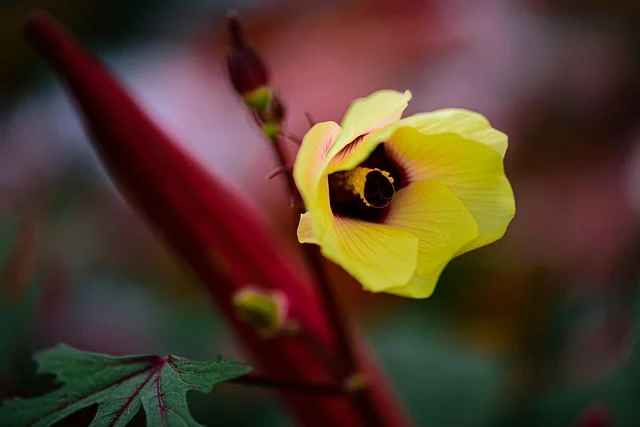
burgundy okra

Burgundy Okra

(Abelmoschus esculentus)
30 seeds
This is a dwarf variety, reaching only 5 or 6 feet tall bearing 5 to 6 inch pods. Beautiful red pods turn green when cooked.
Direct sow after last frost when it really warms up. Plant 1 or 2 seeds every 2 feet in rows. Harvest continuously until first fall frost.

$4.00

Bulk 120 seeds = $15

Bulk 480 seeds = $55
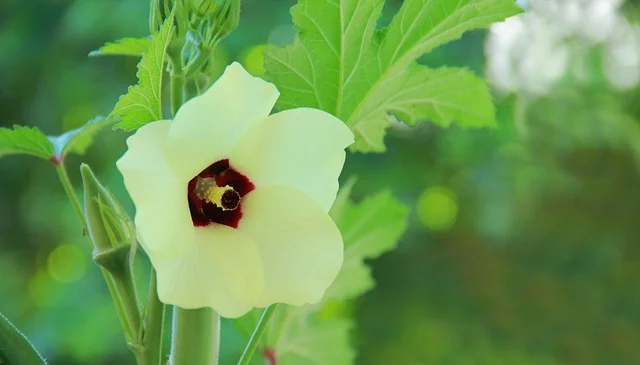

emerald green okra

Emerald Green Okra

(Abelmoschus esculentus)
30 seeds
This okra gets tall, often reaching a height of 10 feet or more. Very long pods that remain tender even when quite large.
Direct sow after last frost when it really warms up. Plant 1 or 2 seeds every 2 feet in rows. Harvest continuously until first fall frost.

$4.00

Bulk 120 seeds = $15

Bulk 480 seeds = $55


Okra
(Abelmoschus esculentus)
A member of the mallow family, okra originated in Ethiopia before being spread around the shores of the Mediterranean Sea. By the early 1700’s, French colonist had introduced okra to Louisiana & it quickly spread throughout the United States. Today there is hardly a garden in the American South that doesn’t have at least one row of okra growing throughout the summer months. Although not as many northern gardeners regard okra with the same respect, it has gained in popularity over the past hundred years or so.
In the United States & most of Europe, okra is either fried or cooked in gumbo or soups. What most people don’t know is that the seeds can be roasted, ground & served as a caffeine free substitute for coffee. The young leaves are also edible & can be served fresh in salads or boiled like beet tops or turnip greens.
A warm (or even hot) loving plant, okra should be planted by direct seeding after soil temperature reaches at least 68°F at a depth of two inches, & nighttime lows have remained above 50°F for at least five days in a row. 
Okra should always be direct sown. The reason for this is that okra transplants grow extremely slowly once they are transferred to the garden, therefore negating any advantage that starting indoors might provide. 
Plant one or two seeds per hole spaced two feet apart. Rows should be spaced three feet apart on centers. Recommended planting depth varies based on soil type, but generally a depth of one inch will suffice. 
Common pest include leaf hoppers, nematodes, aphids & stink bugs. Intervention with pesticides is usually not necessary, although most if not all of these pest will likely be present at some point during the growing season. Okra produces extremely rapidly, keeping ahead of potential pest most of the time.

Our Mission

"Mississippi Foundation for Renewable Energy's mission is to promote sustainable lifestyles. We accomplish this by providing informative assistance in the form of consultation, as well as providing a unique product line geared toward homesteaders & "big city" dwellers alike. We are world leaders in off-grid renewable energy & alternative communications system design. We support the preservation of natural, non-GMO, open pollinated plant life, & donate tens of thousands of seeds each year to seed library programs across the USA. All proceeds from our website https://www.backwoodsenergy.org are utilized in our effort to fulfil our mission of promoting sustainable lifestyles worldwide." 

Days Until Spring (vernal equinox)

Help us spread sustainability
Share this Page!

Contact us

Our customer support team is here to help you.

Email

We will reply as soon as possible.

Phone

We work hard & can't always get to the phone, so leave us a message & we will call back as soon as possible.