Beans
Beans are one of the most important crops in existence, & originated in various regions around the world. Packed with protein & laced with vitamins & minerals, beans of countless varieties have been a staple for civilizations throughout history.
Beans are legumes & have the ability to manufacture their own nitrogen. Therefore, beans grow well in soils that lack in fertility. They do best in light textured soils, but will tolerate most any soil type with satisfactory yields at harvest. Beans prefer soil with a pH of 6.0-7.5.
Legumes create a symbiotic relationship with beneficial bacterium by providing a suitable home for them in their roots. These homes look like nodules on the roots & can be easily recognized at the end of the season when plants are removed. The bacterium convert atmospheric nitrogen from air pockets in the soil into a form of nitrogen that is usable to the plants.
All beans are direct sown after last frost & when soil temperatures at the planting depth are no less than 60°F, with warmer soil temperatures being preferable. Plant seeds ½ – 1 inch deep.
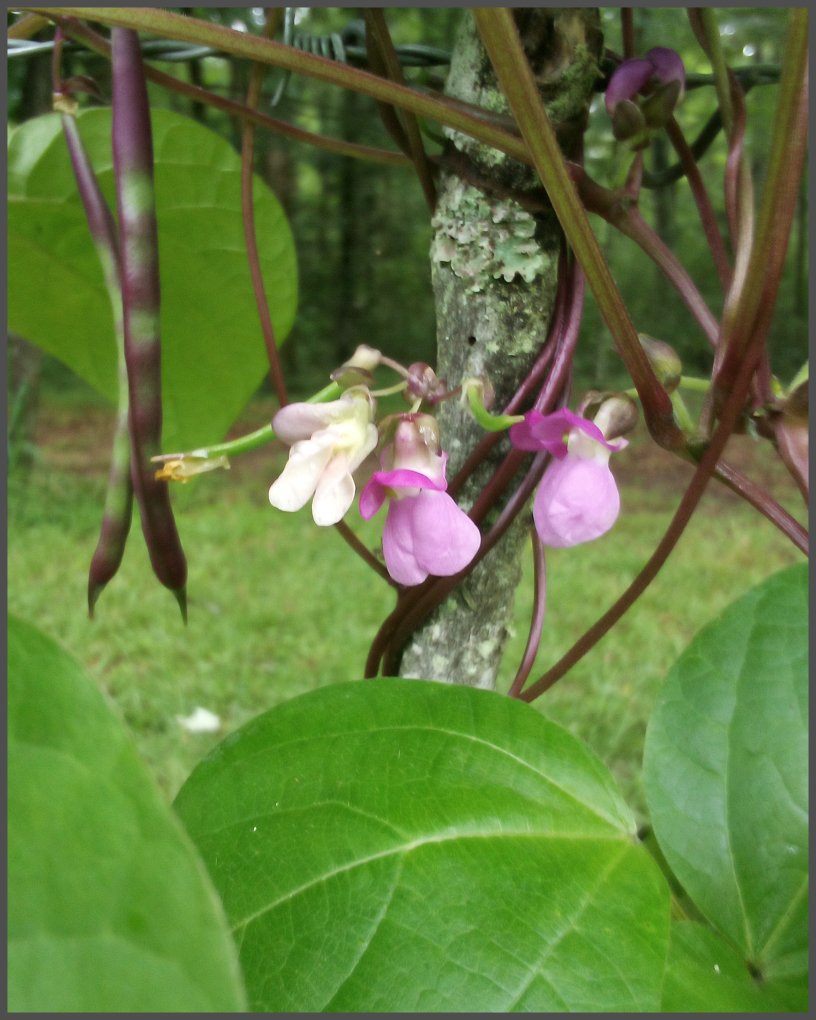
Running bean varieties require trellising, while bush bean varieties do not. Fences are an excellent place to grow running type beans & growing on the fences saves valuable garden space. Poles also work well but require a little bit of labor. Running beans are generally more productive than bush beans.
Common problems with all bean varieties exist but are relatively minimal.
Damping off is a condition where seedlings die off shortly after emergence. This is cause by fungus & usually occurs when seeds are planted at the wrong time. Cold, wet soil at time of planting is usually the culprit. Plant at the right time when soil temperature at the planting depth is warmer than 60°F. For best results & least chance of experiencing damping off, wait until soil temperature is 70°F or above. This is especially important if you are replanting after damping off has already occurred. Soggy, wet conditions can also cause damping off. Once again, timing can be the issue because early in the spring it is quite common to have a lot of rainfall & standing water in the garden.
Aphids are a common pest found on bean vines. Catching aphids early is key to fighting back because once an infestation occurs there is little to nothing that can be done. Treatment with pyrethrins mixed with water & botanical oils is the most effective way to deal with minor infestations. There are many organically labeled products on the market containing these ingredients. Manual removal of the aphids themselves by crushing them between your fingers is a viable option. Removal & destruction (burning) of the affected plants is the best rout for localized infestation. Time is of the essence as aphids are asexual & reproduce extremely rapidly. One aphid can turn into one hundred in twenty four hours. Lite infestations that are localized to one or two plants often remedy themselves as other insects such as ladybugs feed on the adult aphids.